


OPINION By Prabhu Balakrishnan, Founder, World Passport Museum
The Mongols revolutionised diplomacy with the invention of the world’s first diplomatic passport, known as “paiza/paizi” under the leadership of Genghis Khan in the 12th and 13th centuries. This remarkable innovation granted diplomats, nobles and officials extraordinary privileges, including the right to demand goods and services from civilian populations, setting a precedent for international relations and safe passage that resonates even today.
The Mongol empire
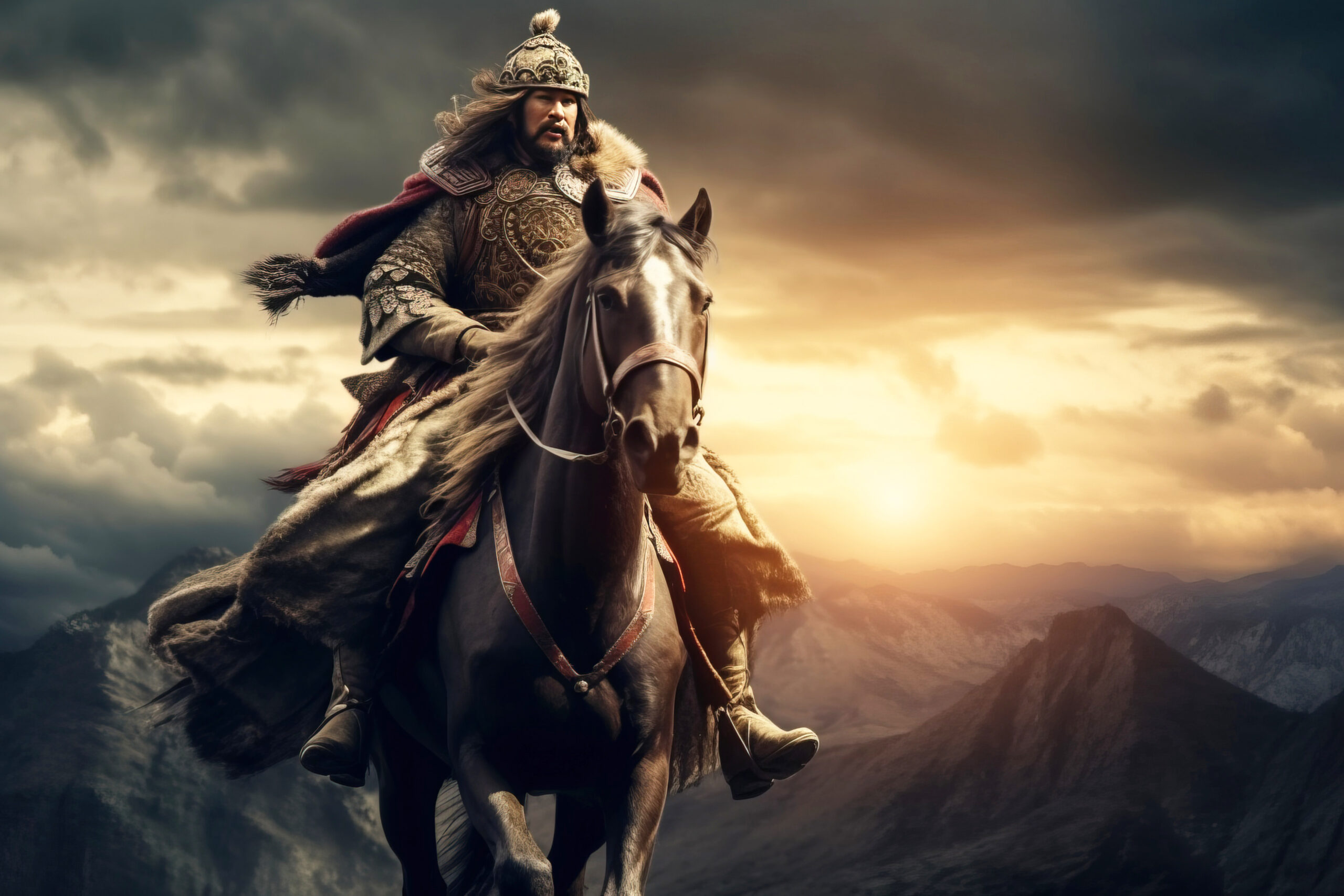
The Mongols created the largest contiguous land empire in history, which, at its height in 1279, spanned vast territories from Asia to Eastern Europe. This monumental empire arose from the unification of nomadic tribes in the Mongol homeland, led by Genghis Khan, who was proclaimed ruler of all the Mongols by a council in 1206.
Genghis Khan, the founder and first khan of the Mongol Empire led his forces to conquer vast territories between Asia and Eastern Europe, amassing immense wealth – estimated at US$30 trillion – through looting and taxes. He is sometimes regarded as the world’s first trillionaire.
During the 13th and 14th centuries, the Mongol Empire reached as far as Poland and Hungary in Europe. However, their advance towards Vienna was halted by the death of Genghis Khan’s successor, King Ögedei.
At its peak, the Mongol Empire not only connected Asia and Europe but also strengthened and re-established the Silk Road between 1207 and 1360 CE.
At its peak, the Mongol Empire not only connected Asia and Europe but also strengthened and re-established the Silk Road between 1207 and 1360 CE. This facilitated trade, cultural exchange and the coexistence of diverse religions and peoples across the empire, promoting religious freedom and the merging of cultures from conquered territories.
Diplomatic immunity
The Mongols are credited with establishing the concept of diplomatic immunity for envoys and ambassadors. Genghis Khan and the Mongols were renowned for insisting on the rights of diplomats and would often take terrifying vengeance on any state that violated these rights, at times razing entire cities in retaliation for the execution of their ambassadors. So much so that the Mongols invaded and obliterated the whole Khwarezmid Empire (modern-day Iran, Uzbekistan, and Turkmenistan) after their ambassadors were mistreated and killed when diplomacy went wrong.
Golden paiza
During the 13th and 14th centuries, travellers and messengers used the geregee or golden paiza as a passport or document on the Mongol yam or postal route. The geregee was one of the first documents to recognise diplomatic immunity and privileges. The material and shape of the geregee determined the traveller’s privileges, with higher-quality materials signifying greater rights. Made of wood, bronze, silver, or gold, the geregee is one of the first universally recognised documents entitling diplomatic immunity and privileges. It played a key role in developing norms and laws governing diplomatic relations.
Paiza or paizi
The paiza or paizi were metal tablets inscribed in gold, silver, and bronze bearing safe passage statements that conferred certain privileges to protect officials, merchants, and messengers travelling along the Silk Route.
Serving as a sort of 13th-century diplomatic passport, the paizi allowed the holder free passage and access to supplies throughout the Mongol-controlled territory. The Great Khans of the Mongol Empire issued these small metal plates to merchants, nobles, messengers, skilled artisans, officials and important guests, granting them the right to demand goods and services from the civilian population. The Paiza also exempted them from taxes and allowed them to use relay stations.
Serving as a sort of 13th-century diplomatic passport, the paizi allowed the holder free passage and access to supplies throughout the Mongol-controlled territory.
Some paizi were carried by government officials as proof of their position and title, while others were issued to individuals travelling through the empire. They were usually reserved for those on state business and foreigners who were in Mongol territory under the protection of the Khan. For example, a letter sent by the emperor in Beijing and carried by an envoy wearing a paiza could reach the Ilkhanid capital of Tabriz, some 5,000 miles away, in about a month.
The journey of Marco Polo
The famed Venetian traveller Marco Polo (1254-1324) is said to have carried a foot-long, three-inch-wide golden paiza issued personally by Kublai Khan, the grandson of Genghis Khan, during his extensive travels across Eurasia, granting him wide-ranging privileges, including the rights to receive lodging, provisions, horses and guides throughout the Khan’s territories.
Safe passage
Safe passage statements inscribed inside diplomatic passports, often overlooked by their bearers, guaranteed safe passage, protection and immunity. Centuries ago, such assurances were conveyed through badges and plates. The paiza carried immunity through these statements. An example is the imperial passport from the Yuan dynasty c. 1240 AD – one of the two known Kublai Khan passports – boldly declares: “I am the emissary of the Khan. If you defy me, you die.”
Another paiza, made of iron and inlaid with thick silver bands forming characters in the Phagspa script, was devised for the Mongol language in 1269 by the Tibetan monk Phagspa (1235-1280), a close advisor to Kublai Khan (r. 1260–95). The translated inscription reads: “By the strength of Eternal Heaven, an edict of the Emperor [Khan]. He who has no respect shall be guilty.”
Safe passage statements are not merely relics of the past – they remain an integral part of modern passports. For instance, the US passport includes this declaration: “The Secretary of State of the United States of America hereby requests all whom it may concern to permit the citizen/national of the United States named herein to pass without delay or hindrance and in case of need to give all lawful aid and protection.”
Safe passage statements are not merely relics of the past – they remain an integral part of modern passports.
Similarly, modern British diplomatic passports carry the following statement: “His Britannic Majesty’s Secretary of State requests and requires in the name of His Majesty all those whom it may concern to allow the bearer to pass freely without let or hindrance and to afford the bearer such assistance and protection as may be necessary.”
King’s messenger passport
In the United Kingdom, from the 18th to 20th centuries, royal badges were used by the couriers of kings or queens. Today, King’s Messengers travelling on official business as diplomatic couriers are issued special diplomatic messenger passports.
The Corps of King’s Messengers comprises couriers employed by the British Foreign and Commonwealth Office. They hand-deliver confidential and important documents to British embassies, high commissions and consulates worldwide. Many King’s Messengers have historically been retired army personnel. Typically travelling in plain clothes, they fly business class on scheduled airlines, accompanying their consignment.
Fast forward eight hundred years to today, and modern diplomatic passports have evolved into paper booklets. These share similarities with paiza, which still have safe passage statements that guarantee safety and protection to diplomats in performing their official duties.
In the past, Mongols issued paiza to deserving individuals as a way to attract foreign merchants and skilled talents. While the concept of buying citizenship or residency did not exist in the 13th century, wealthy individuals or leaders who contributed substantial resources to the empire were often rewarded with important roles or privileges.
While the concept of buying citizenship or residency did not exist in the 13th century, wealthy individuals or leaders who contributed substantial resources to the empire were often rewarded with important roles or privileges.
Although modern citizenship by investment programmes don’t offer diplomatic passports, they echo the spirit of the paiza by granting deserving individuals the privilege of citizenship in exchange for their contributions. Just as the Mongols used the paiza to attract merchants and skilled individuals who could enrich their empire, nations today leverage these programmes to draw international investors who drive national development, economic growth and innovation.
Although modern citizenship by investment programmes don’t offer diplomatic passports, they echo the spirit of the paiza by granting deserving individuals the privilege of citizenship in exchange for their contributions.
The legacy of the paiza lives on in the way nations recognise and reward global talent and resources. In this sense, citizenship by investment represents a modern parallel to an age-old tradition – one that values the mutual benefits of mobility, privilege and contribution.

Prabhu Balakrishnan
Is the founder of World Passport Museum, a non-profit startup exhibiting historical collections of travel documents. A pioneer advocating global mobility with dual citizenship, he is a leading expert in citizenship and residence by investment programmes with 15+ years of experience assisting high-net-worth clients.