


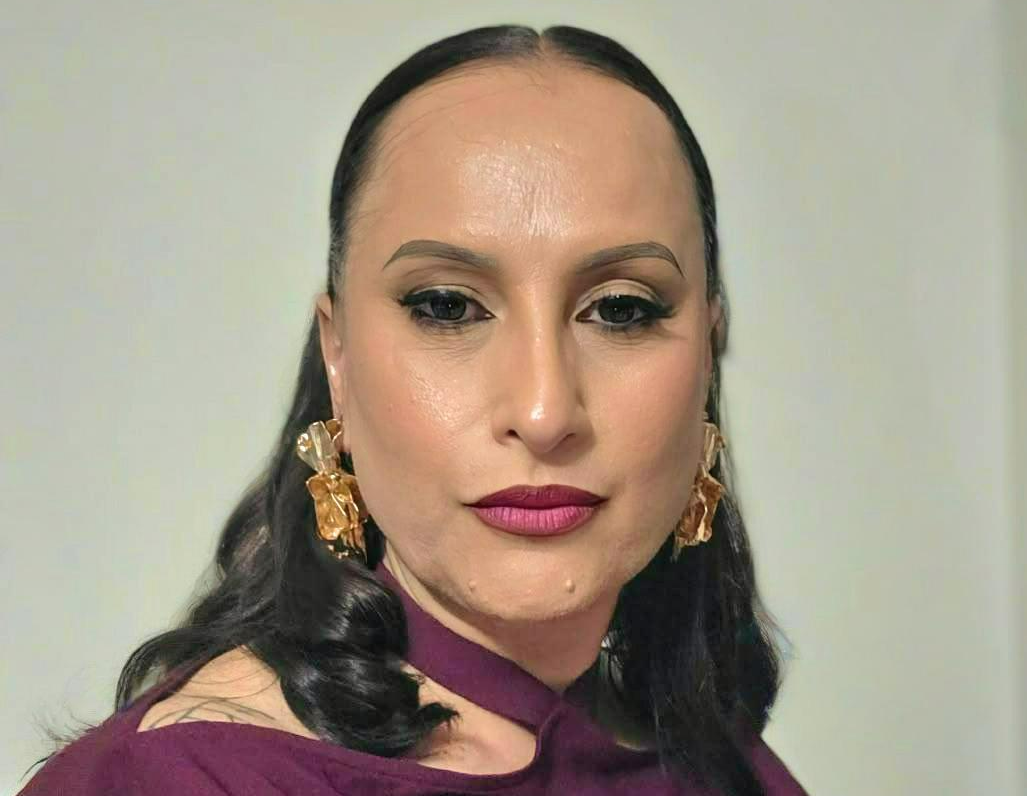
Amb. Elizabeth Makhoul is Antigua & Barbuda’s Ambassador-at-Large and Chairperson of the Antigua and Barbuda Festivals Commission. As Antigua Carnival approaches its 70th anniversary, she speaks to The Citizen about keeping Carnival fresh while staying true to its roots, and how the islands’ festivals can draw visitors, support local businesses and help musicians build careers at home.
Antigua’s cultural calendar extends well beyond Carnival, with music festivals and celebrations year-round. Are we making the most of their collective potential to position Antigua as a cultural destination?
We have the potential, but the real opportunity lies in connecting these events into a broader cultural experience rather than treating each festival as a separate occasion.
Antigua Carnival, One Nation Caribbean Music Festival and our other cultural celebrations appeal to different audiences, yet together they tell a much richer story about who we are. We need to market that story more deliberately, encourage visitors to plan their trips around our cultural calendar and create experiences that extend beyond the main event.
Ultimately, we should measure success not only by attendance but also by visitor spending, opportunities created for local businesses and the extent to which our culture gives people another reason to return to Antigua & Barbuda.
Carnival is approaching its 70th anniversary. How do you keep such an established celebration fresh and internationally appealing without losing the traditions and character that make it uniquely Antiguan?
You respect the foundation while being bold enough to build on it.
Carnival’s identity is rooted in our history, music, people and the traditions passed down through generations. These elements must remain central. But we also have to recognise that audiences evolve, production standards change and international competition for visitors is intensifying.
As we approach Carnival 70 in 2027, we have an opportunity to honour the people who built this festival while creating experiences that appeal to a new generation. That means stronger production, thoughtful programming, better marketing and greater opportunities for our local artists to shine.
We are not celebrating 70 years simply to look back. We are celebrating 70 years to establish what the next 70 can become!
You have spoken about raising standards and transforming the Carnival experience. What is one decision you’ve made that challenged established thinking, but which you believe was necessary?
One important shift has been to move beyond the idea that our responsibility ends when the festival is successfully staged.
For years, much of the conversation around Carnival has centred on the events themselves: the shows, the crowds, the performances and the immediate results. Those things matter, but we also have to ask what remains when the stage comes down.
That thinking has helped drive our investment in structured music production and artist development. We are creating pathways for local artistes to strengthen their craft, work with established industry professionals and prepare for opportunities beyond Carnival.
It requires us to rethink what success looks like. A successful festival should not only entertain an audience; it should help build an industry.
Music festivals can attract international audiences, but they can also be powerful platforms for local talent. How do we ensure Antiguan musicians and performers benefit from the growing festival scene beyond the events themselves?
We must stop treating local talent as an addition to the programme and start treating it as an essential part of the product we are building.
That means giving our local artists meaningful performance opportunities, investing in professional development, improving the quality of their recordings and helping them build the networks needed to compete regionally and internationally.
It also means looking beyond performance fees. Artists need access to songwriting, production, music publishing, distribution, branding and business knowledge. A great performance can create exposure, but exposure alone does not build a sustainable career.
Our responsibility is to help turn that exposure into something tangible: better music, stronger professional relationships, commercial opportunities and the ability to earn from their talent long after the festival ends.
Montserrat once attracted some of the biggest names in international music to record on the island, becoming an unlikely creative hub in the Caribbean. Could Antigua & Barbuda build on its growing music and festival scene to create something similar that attracts international recording artists, producers and creative talent, while opening an entirely new industry for local musicians and entrepreneurs?
Absolutely. But we must approach it as an industry-building opportunity, not simply an ambition to attract famous artists.
Montserrat’s experience shows what’s possible when international music production and the Caribbean’s creative environment come together. Antigua & Barbuda has its own advantages: an established tourism sector, an active events calendar, an appealing environment and a growing pool of local talent.
The opportunity is to develop the infrastructure and professional ecosystem that make it worthwhile for artists, producers and songwriters to work here. That includes quality recording facilities, skilled technical personnel, reliable production services, accommodation, transportation and partnerships with international music businesses.
If we get the foundations right, the benefits could extend well beyond music. Local sound engineers, videographers, designers, hospitality providers, event technicians and entrepreneurs could all participate in the value chain.
I want Antigua & Barbuda to be a place where music is not only performed for visitors, but created, recorded, produced and exported to the world.
Antigua & Barbuda is already internationally recognised for its beaches, sailing and luxury tourism. What would it take to establish music, culture and entertainment as an equally powerful part of the country’s international identity?
It requires a deliberate partnership between culture and tourism, supported by consistent investment and a clear international marketing strategy.
Our beaches may introduce people to Antigua & Barbuda, but our music, food, festivals, history and people can give them a deeper connection to the destination. We need to make those experiences visible year-round, not only during Carnival.
That means developing recognisable cultural products, marketing them to specific international audiences, creating packages that connect festivals with accommodation and other visitor experiences and ensuring the quality of our events matches the promise of our destination.
We also have to tell our own stories. Our artists, traditions and cultural personalities should be part of how Antigua & Barbuda presents itself internationally.
The objective is not to replace our established tourism identity. It is to expand it, so that when people think of Antigua & Barbuda, they think not only of where they can relax, but also of what they can experience, hear, discover and take home with them.
What prompted the new Music Production and Artist Development Department and what opportunities do you hope it will create for local artists?
The department grew out of a simple recognition: our artists need more than a stage. They need a pathway.
We have talented musicians, singers, songwriters and performers, but talent alone is not always enough to build a career in today’s music industry. Artists need access to coaching, production, mentorship, professional networks and an understanding of how the business works.
Through the Music Production and Artist Development Department, we are working to provide structured support in areas such as songwriting, vocal development, performance, music production and stagecraft, while creating opportunities to collaborate with established Caribbean professionals.
We also want to help artists understand the commercial side of their work, including how to position their music, develop their brand and pursue opportunities beyond our shores.
This is about building capacity, not promising overnight success. We want artists to leave the process better equipped, more confident and better prepared to compete.
Our goal is to create an environment where Antiguan and Barbudan talent can develop professionally, produce quality music and build sustainable careers.
Where do you see the greatest untapped potential for festivals to contribute to Antigua & Barbuda’s creative industries and economy?
I see significant potential in the businesses and services that surround the festivals.
We often focus on the artists on stage, but every major event also creates demand for sound and lighting technicians, set designers, costume makers, videographers, photographers, graphic designers, caterers, transport operators, security personnel and many other service providers.
These are real opportunities for employment, entrepreneurship and skills development. If we plan strategically, our festivals can become consistent markets for these services rather than occasional sources of income.
There is also potential in intellectual property, recorded music, digital content, merchandise and cultural products that can be sold long after an event has ended.
The challenge is to build stronger links between festival and event organisers and local suppliers, improve professional standards and help our creatives operate as businesses.
The real economic value of a festival is not only what happens during the event. It is the network of livelihoods, businesses and opportunities that the event helps sustain.
As Chairperson of the Festivals Commission, what is the one ambition you would most like to realise that would fundamentally change how Antigua & Barbuda is recognised on the international cultural stage?
I would like Antigua & Barbuda to become recognised as a serious Caribbean centre for music, festivals and creative production, where international audiences come to experience our culture and international artists come to work alongside our talent.
That means building an ecosystem in which our festivals attract audiences, our artists receive professional development, our music reaches international markets and our creative businesses have opportunities to grow.
Carnival 70 in 2027 is an important opportunity to demonstrate the scale of our ambition, but the work cannot end with an anniversary celebration. We must use that momentum to establish stronger systems, partnerships and opportunities for the future.
My ambition is for our culture to become one of the things that distinguishes Antigua & Barbuda internationally, while creating tangible benefits for the people who carry that culture forward.
I want our young people to see the creative industries not simply as a passion to pursue in their spare time, but as a legitimate field in which they can develop skills, earn a living, build businesses and make their mark.
Anything else you would like to add?
I would encourage us to recognise that our culture and creatives are our greatest national assets, but their value depends on what we do with it.
We have the talent, the traditions, the festivals and the international appeal. The next step is to connect those strengths to education, professional development, investment and sustainable economic opportunity.
That requires collaboration across government, the private sector, educational institutions, tourism and the creative community itself. The Festivals Commission cannot do it alone, but we can help create the platforms and opportunities that move the work forward.
For me, this is ultimately about legacy. We must honour those who built our cultural traditions while making sure the next generation has greater opportunities to develop and benefit from them.
We want to bring our culture, shape our identity and build an industry that allows our creativity to travel beyond our shores without leaving our people behind.