

In the moonlit skies across the globe, a silent army takes flight each night, sweeping gracefully through the darkness in a choreography as old as time itself. These bats, often misunderstood and feared, are the unsung heroes of the environment, playing an indispensable role in maintaining the ecological balance of their habitats.
Puzzling, bats are among the most feared animals in the world – at the very least, one of the most misunderstood. So, why should something so shy, diminutive and unaggressive get such a bad rap? For starters, Dracula and vampire films have a lot to answer for. Indeed, Halloween wouldn’t be Halloween without a few blood-sucking bats adorning the walls, striking fear into all. The (unfounded) rumours that they were responsible for the Covid-19 pandemic certainly did nothing to improve their precarious reputation in more recent times. Yet, bats really don’t deserve this dark reputation; on the contrary, these amazing creatures should be celebrated for the incredible benefits they bring to the environment. To put it succinctly, the world simply wouldn’t be the same without bats.
“These amazing creatures should be celebrated for the incredible benefits they bring to the environment.”
One surprising thing about bats is that they make up around 20 percent of all mammals on Earth, with over 1,400 species worldwide. They are found in every corner of the planet except in extreme deserts and polar regions – and in some places, like Antigua & Barbuda, they are the country’s only native mammals. The twin islands have eight recorded bat species, including one that is endemic to Antigua and its neighbour Guadeloupe.
When asked what the most dangerous animal on the planet is, few people are likely to come up with the tiny mosquito. Much more than a nuisance, mosquitos kill more than 780,000 people each year, far more than all the so-called ‘deadly’ animals like sharks, snakes and aggressive mammals like hippos put together. Enter the bat. Masters of eradicating insects, some bat species can consume 1,000 bugs in an hour or over half their body weight in a single night. It doesn’t take a brain surgeon to figure out if there are healthy populations of bats, then diseases like malaria and dengue fever can be kept in check. Not only that, they also assist farmers by controlling the pests that eat their crops, making them invaluable to both public health and agriculture. In the US alone, the estimated value of bats’ pest-control services ranges from a low of US$3.7 billion to a staggering US$53 billion a year. Even the staunchest anti-bat sceptics would be hard-pressed to argue with their financial value and organic pest control skills.
Unfortunately, like so many creatures on Earth, the world’s bat population has dwindled over recent years, with many species currently classified as endangered or extremely endangered – including those native to Antigua & Barbuda. And the world should take heed: the decline in bat populations is not just a statistic; it’s a warning sign. Their shrinking numbers not only increase mosquito populations, raising the risk of disease, but they also severely threaten the health of ecosystems across the globe.
“The decline in bat populations is not just a statistic; it’s a warning sign.
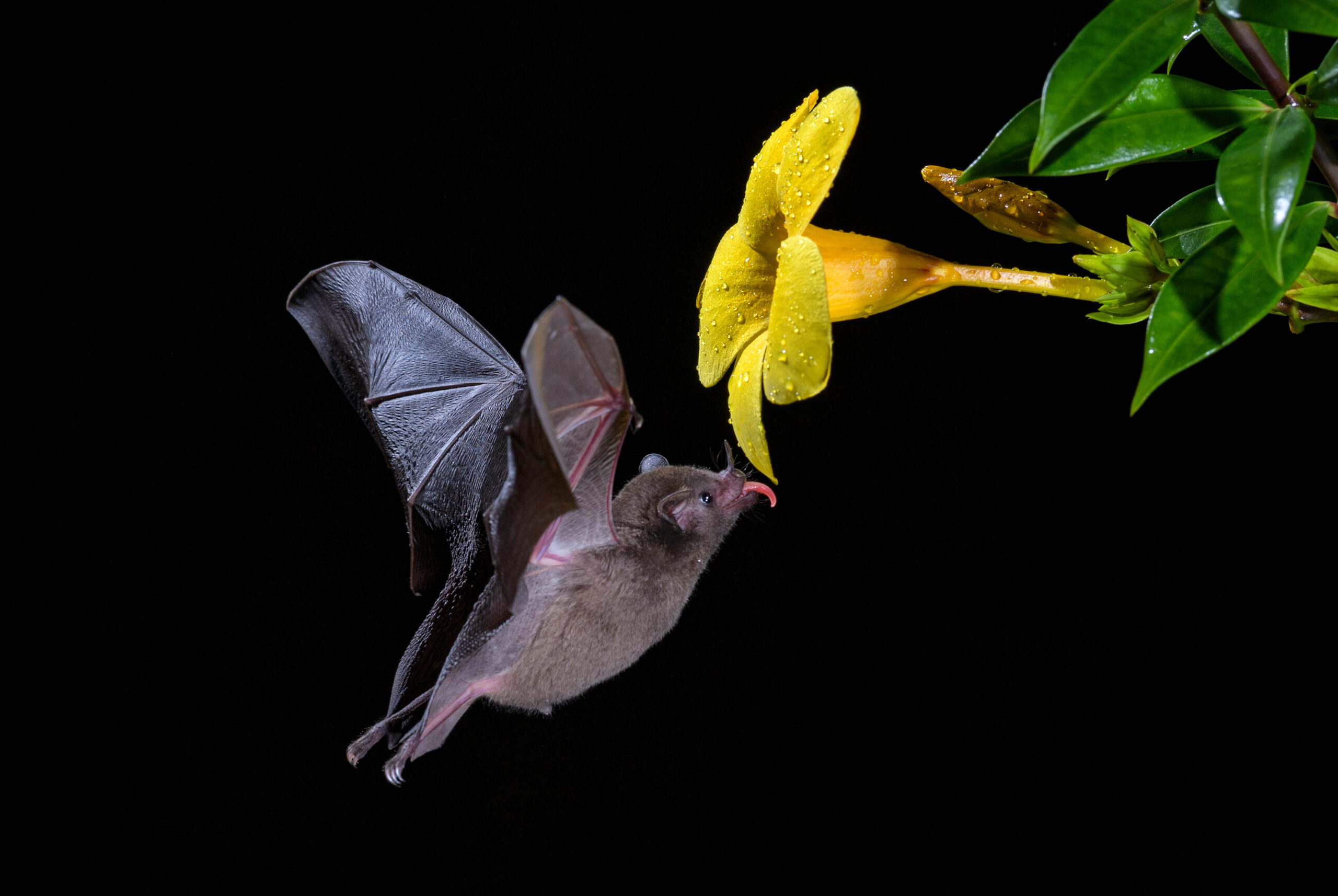
Bats are also prolific pollinators. Look around you; many of the plants you see are either partly or exclusively pollinated by bats. We hear a lot about how bees are vital to pollination and our food sources, with people rightfully encouraged to plant bee-friendly plants and even take up beekeeping to give these essential pollinators a helping hand. But the bat’s invaluable contribution to pollination goes somewhat under the radar (no pun intended). Although we tend to think of bats as insectivorous, many also feed on fruits, nectar and pollen. Through a process called chiropterophily, they pollinate over 500 species of plants, including agave, mango trees, banana trees, guava, and cactuses. So, as you bite into that juicy mango at breakfast, thank the bats for their help in putting it on your table.
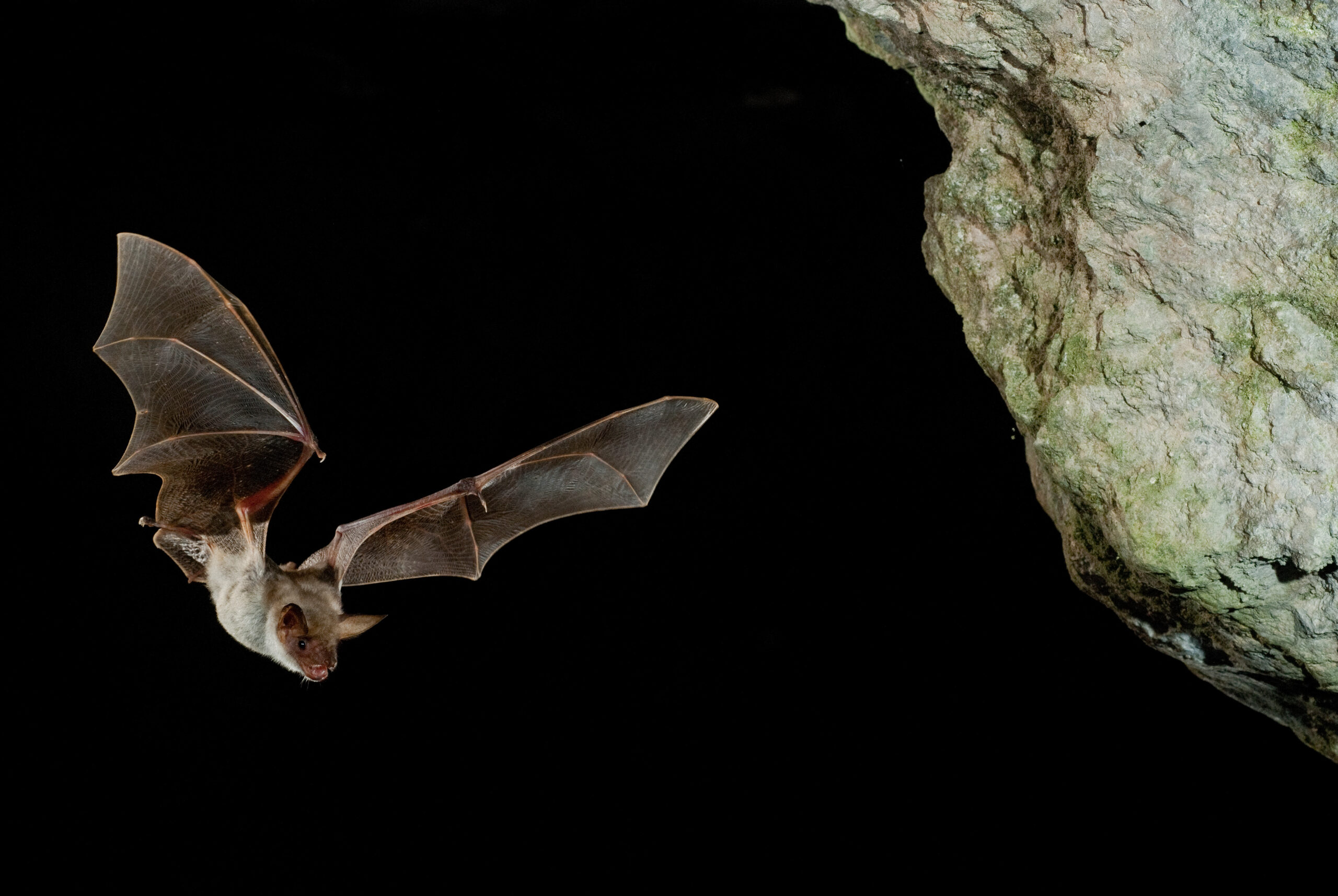
Beyond all these positives, there is so much more to admire about extraordinary bats. True masters of the night sky, most species to echolocate – one of nature’s most impressive ingenuities. Their natural sonar system allows bats to navigate and hunt with astonishing precision in complete darkness. By emitting high-frequency sounds that bounce off objects and return as echoes, bats can create a detailed mental map of their surroundings. This remarkable adaptation not only helps them avoid obstacles but also enables them to detect and consume even the tiniest of insects.
“Masters of eradicating insects, some bat species can consume 1,000 bugs in an hour or over half their body weight in a single night.”
There is no doubt that education is key to countering the negative reputation of bats and highlighting their benefits to humans, wildlife and the environment. Indeed, most of the reasons people fear bats are entirely unfounded. The biggest fear is that bats will suck their blood (thanks again, Dracula). Vampire bats are primarily found in Latin America, from Mexico to South America (generally in highly rural areas) and are definitely not found in the twin islands. And even in the places where they do live, vampire bats pose no threat, especially to humans. Contrary to popular belief, vampire bats do not suck blood. Instead, they make tiny incisions on animals – primarily cattle and pigs – and consume the small amount of blood that flows from the wound, causing no harm to the animals.
Nor will bats fly into your hair. Although it may seem that bats are swooping down on you, they are just trying to chase a mosquito circling near you. Their precise echolocation skills mean they won’t even bump into you, let alone get tangled in your hair. And although bats can catch rabies (like every other mammal on the planet), this is obviously an impossibility in countries like Antigua & Barbuda, where rabies doesn’t exist. Even on a global level, less than one-half of one percent of bats actually contract the disease.
Sadly, it is bats that should be afraid of humans. Habitat destruction and climate change are all contributing to their decline. Wind turbines pose a massive threat to bat populations, causing deaths by collision and barotrauma, whereby pressure changes caused by the moving blades can damage their lungs. And around the world, including Antigua & Barbuda, caves and other sanctuaries where bat populations have lived for aeons are slowly being destroyed by man. Adding to these man-made threats, the fungal disease white-nose syndrome has devastated bat populations, further endangering species across the globe.
Something needs to be done, and it needs to be done fast to protect these valuable creatures. Although protected by law in many parts of the world, including Antigua & Barbuda, bats are often considered pests and killed accordingly. Additional protected areas and the promotion of bat-friendly gardening practices are needed, and encouraging people to set up bat boxes in their gardens can provide essential roosting sites and help maintain healthy bat populations.
It is clear that the remarkable bat deserves our respect and protection for both its sake and ours. By dispelling myths and embracing their ecological significance, we can ensure that these unsung heroes continue to grace the night skies for generations to come.
Some interesting facts about bats:
- Bats can live more than 30 years and fly at 60 miles per hour or more.
- Bat droppings, called guano, are one of the richest fertilisers that exist.
- The world’s largest bat is the flying fox, with a wingspan of up to 6 feet.
- It lives in the south pacific.
- Baby bats are called pups. Most bats have only one pup a year, which makes
- Them vulnerable to extinction.
- Bat mothers can find their babies among thousands or millions
- Of other bats by their unique voices and scents.
- Bats digest their food extremely fast, sometimes excreting within
- 30 to 60 minutes of eating.
- Almost all bat species hang upside down, which conserves energy.
- Their feet have evolved to be relaxed in a clenched position.